A lantern kept for years
The journey of developing Du Long
 Prologue
The full-moon night
I had made a few puzzle games before. They worked well as puzzles, but that was all they were. This time I wanted to go further: from gameplay to art, and from art to lore, a story that lives inside the game.
I spent a long time trying ideas. Some had good rules but no soul. Others had soul but nothing to play.
Then, one full-moon night, I was out with my daughter. There were lanterns everywhere and drums somewhere down the street. Suddenly it was obvious: it had to be something we would both enjoy, a game a parent and a child could play together.
That night also took me back to my own childhood. Like every child, I used to see stories in everything around me. A string of paper lanterns could be a dragon. And if it was a dragon, why couldn’t it fly up into the sky and burst into fireworks?
That question became Du Long.
“Some ideas had good rules but no soul. Then one full-moon night, it all came together.”
 Chapter 1
Two players, one plaza
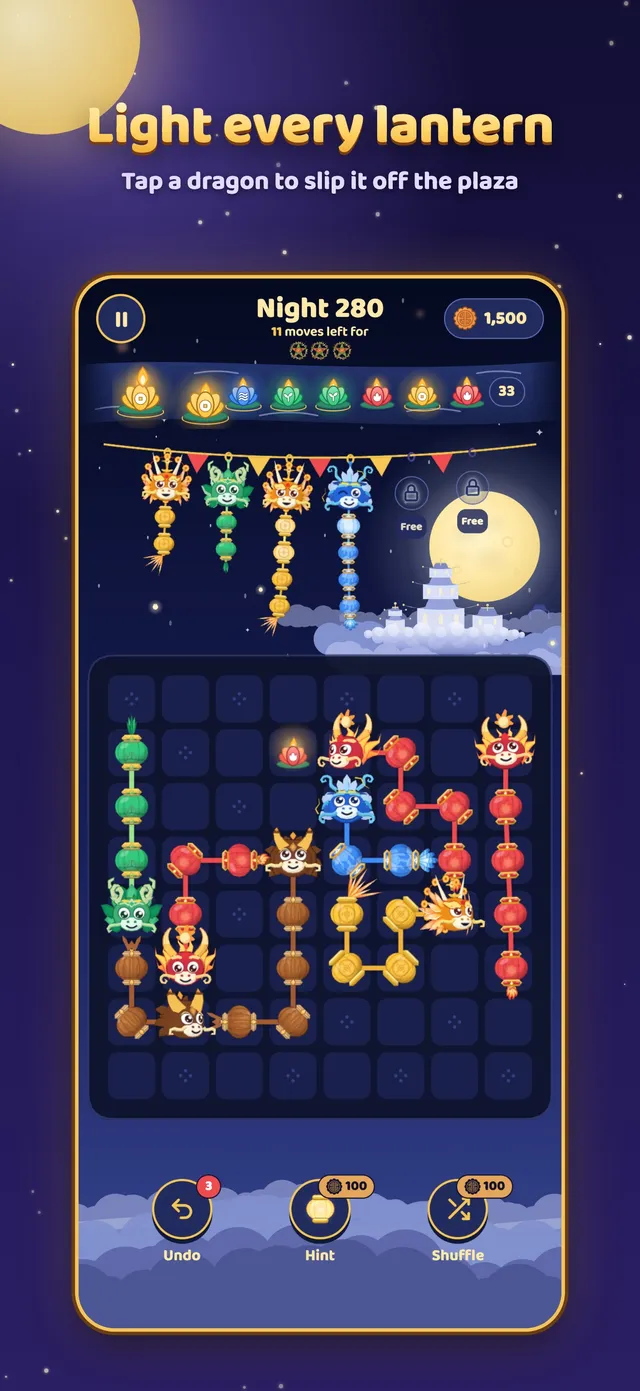
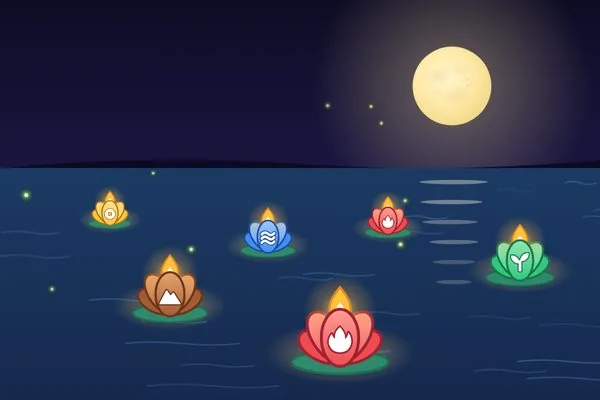
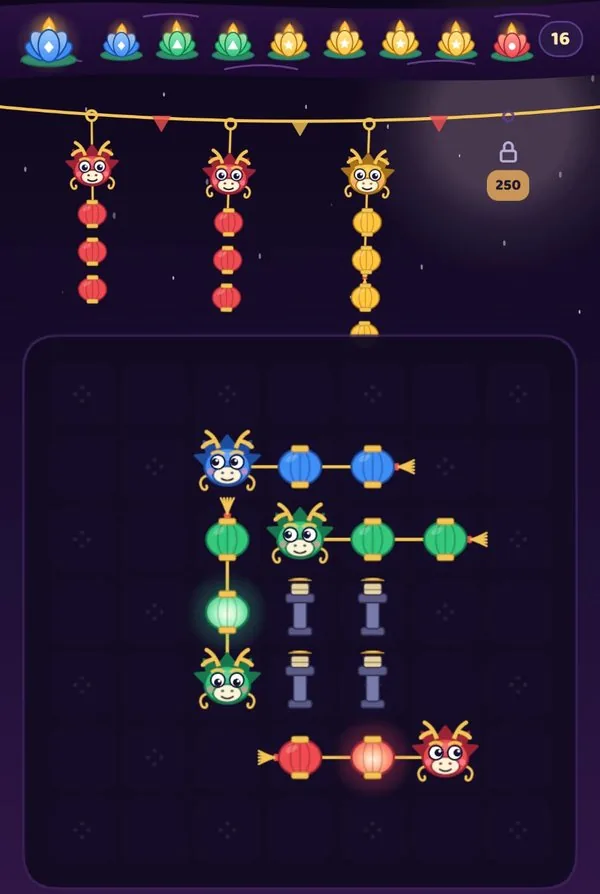
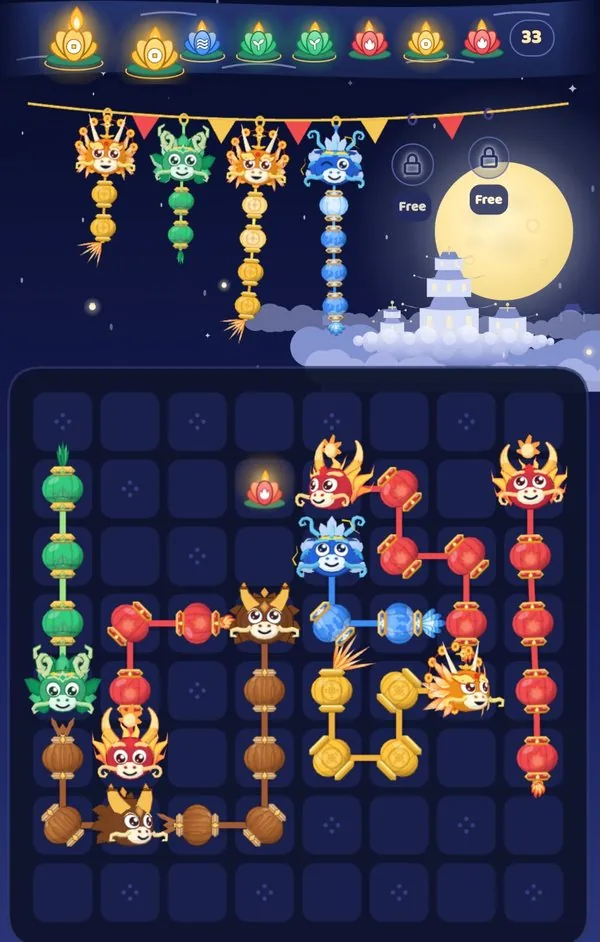
You play Du Long with one finger. Tap a dragon and it slides off the plaza, following its head, and hangs itself on a hook. Lotuses drift down the river, and each one lights a lantern of the same colour. When every lantern is lit, the dragon shoots into the sky as a firework.
That’s all a four-year-old needs to know. The puzzle is in the order. Hooks run out, so before long a grown-up is counting moves and planning three dragons ahead.
So the game is made for a big hand and a small hand sharing one screen. There are 300 nights, each with three stars to earn, and once they’re done, six new nights arrive every day. Undo, Hint and Shuffle mean nobody stays stuck for long. The words are simple and calm, and never talk down to anyone. And colour is never the only clue: each colour has its own symbol on the lotus.
 Chapter 2
A festival in your pocket
The real festival only comes once a year. I wanted a little of it to stay in your pocket for the rest of the year.
Du Long needs no account and no server. Everything is inside the app, so it works offline: on the bus, on a plane, at a grandparent’s house with no Wi-Fi. A night takes a few minutes, just right for a queue, a car ride or the quiet before bed.
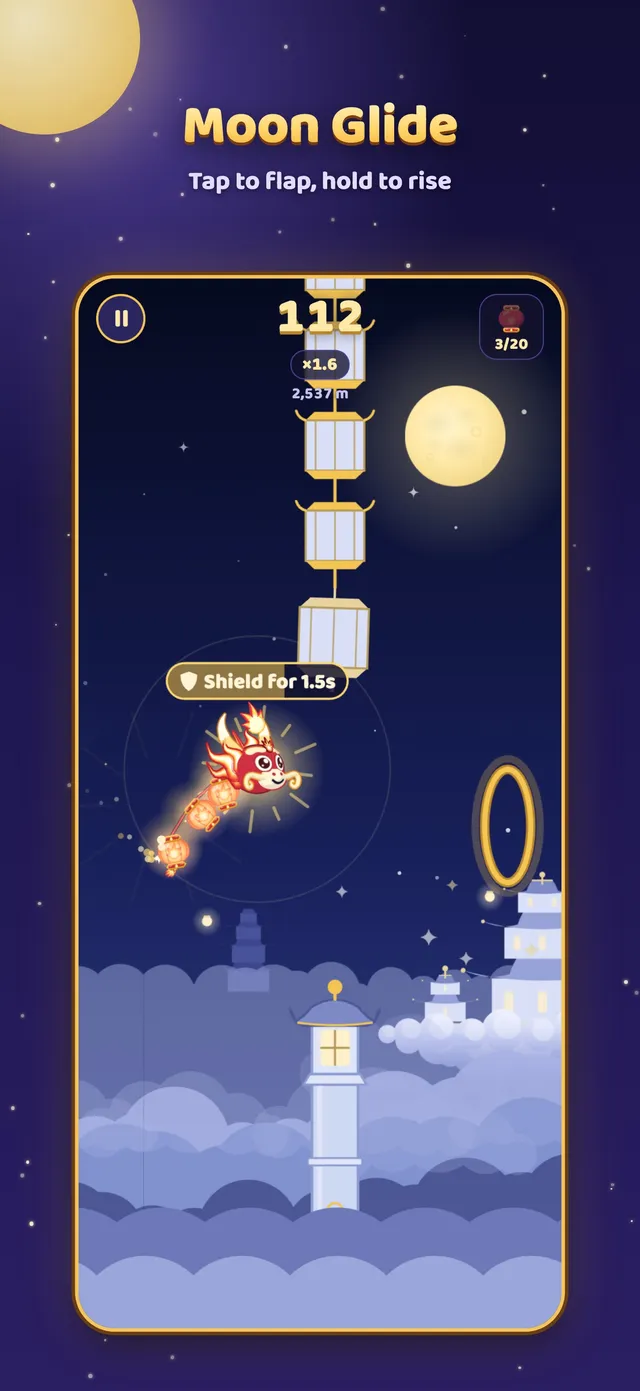
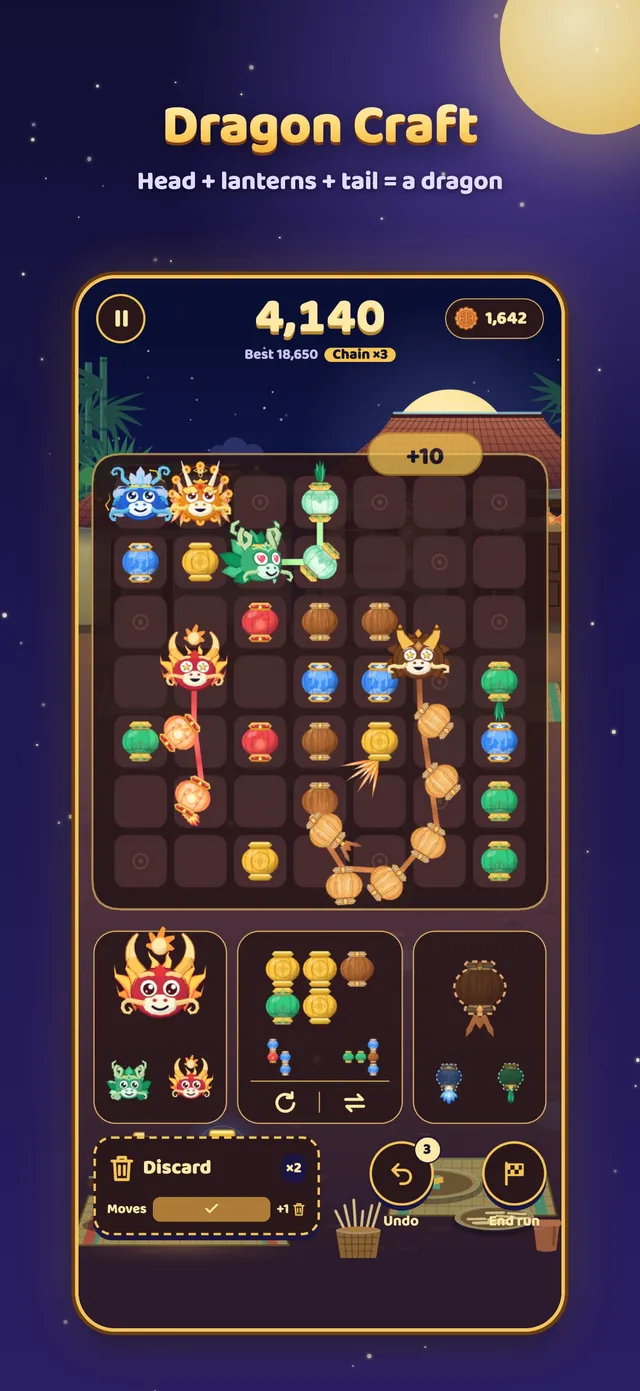
There are three ways to play. Moonlit Night is the puzzle on the plaza. Moon Glide sends your dragon flying across the festival sky. Dragon Craft is a slower, turn-based game where you build dragons from heads, lanterns and tails. It runs on iPhone and iPad, in seventeen languages from day one, and an Android version will follow later.
 Chapter 3
A world made of childhood nights
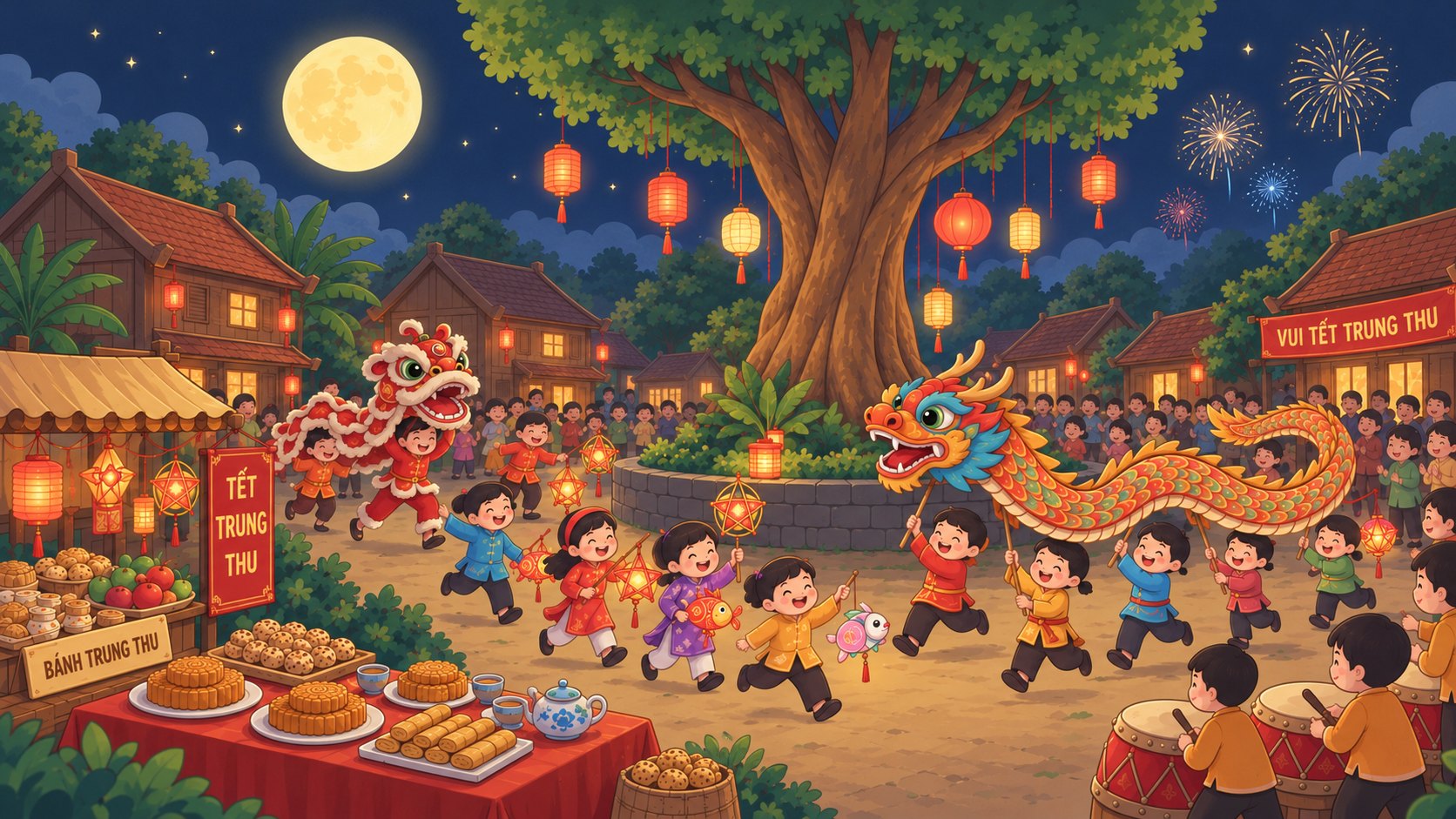
Everything in Du Long’s world comes from Tết Trung Thu, the Vietnamese Mid-Autumn Festival, as I remember it from childhood: paper lanterns carried through the streets, candles floating on the river, mooncakes cut into wedges, the lion dance and its drums, star lanterns, and the moon at its fullest.
In the game, they became the rules of the world. The dragons are lanterns made in the hamlet, and they wake when the moon is full. Lotuses carry light down the river. Mooncakes are the coins. And the lion climbs all the way up to the Celestial Palace.
There’s also a Lore book that fills up as you play. Its stories are told the way a storyteller would tell them on a festival night: no moral at the end, and always one thing left unsaid. Tap a lantern below to read a little.
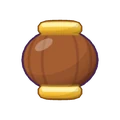
The Lantern
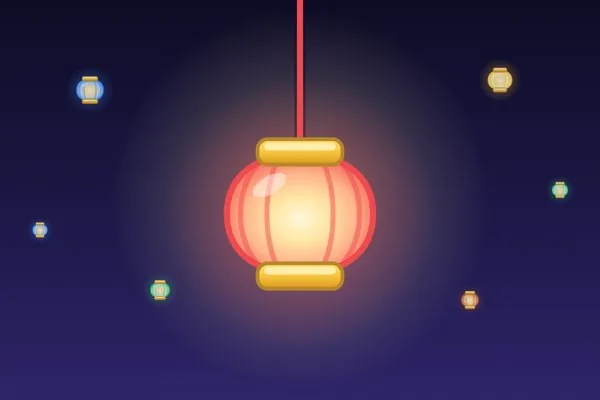
At the Mid-Autumn Festival, children carry them through the streets beneath the full moon, and families hang them by the door. Every shape holds a wish: the fish for plenty, the dragon for good fortune, the star for hope.
Moon River
One by one they set them on the river, and the current carries the lights away until the whole river glows like a second sky, its stars adrift.
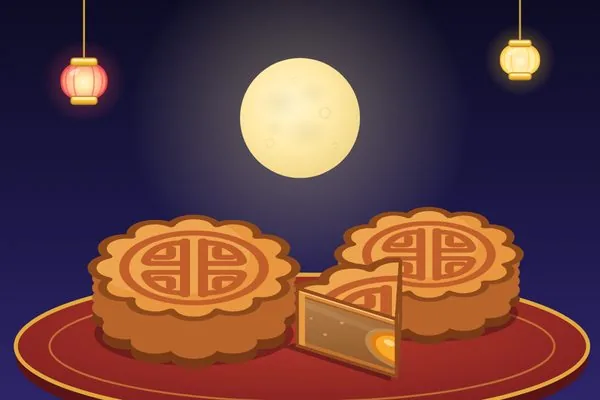
Mooncake
At the Mid-Autumn Festival, one round cake is cut into wedges and shared by the whole family, the way the full moon is shared by everyone beneath it.
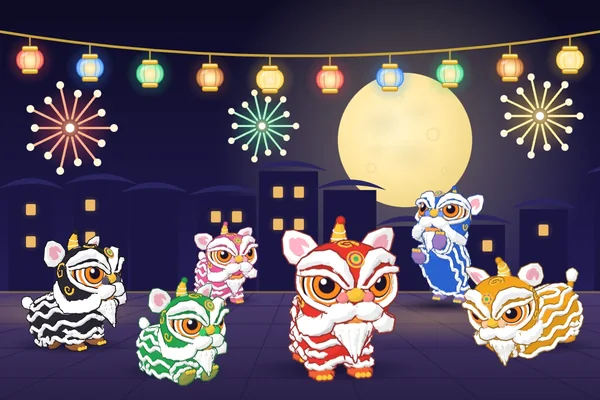
Lion
At the Mid-Autumn Festival and at the New Year, the lion dance comes down the street to the beat of the drums.
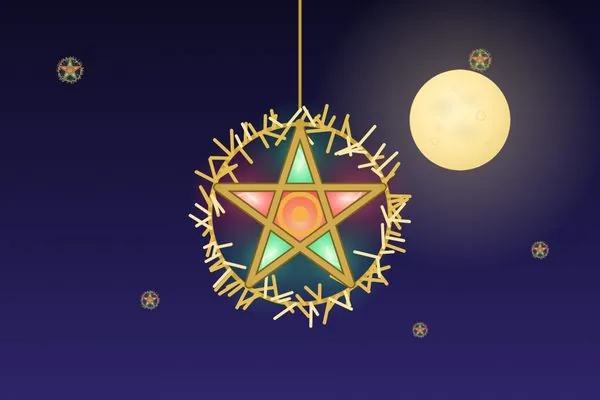
Star Lantern
Of all the Mid-Autumn lanterns, the star lantern is the one everyone remembers: five points of split bamboo, red and green cellophane stretched over them, paper tassels at the tips and a small candle inside.
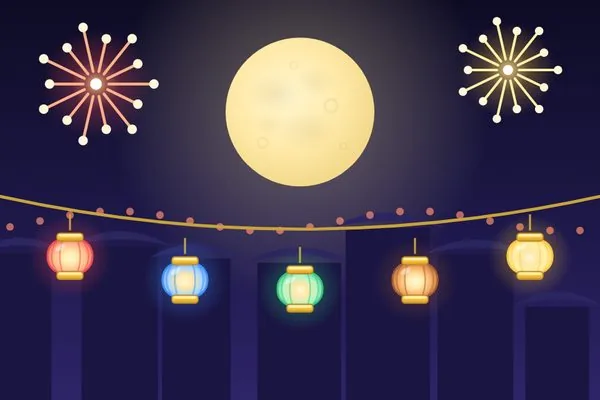
Full Moon Festival
Now it belongs mostly to the children. Drums call the lion out into the street, lanterns bob along every lane, and families gather over mooncakes, pomelos and sweets.
 Chapter 4
Drawn, erased, drawn again
Before the dragons, I had to choose a world. I leaned towards lanterns from the start, but I still gave two other ideas a fair try: Balloon Buddies, twisted balloon animals like the ones sold at weekend fairs, and Noodle Cats, long lazy cats stretched out on a porch at noon. Same rules, same level, three different looks.
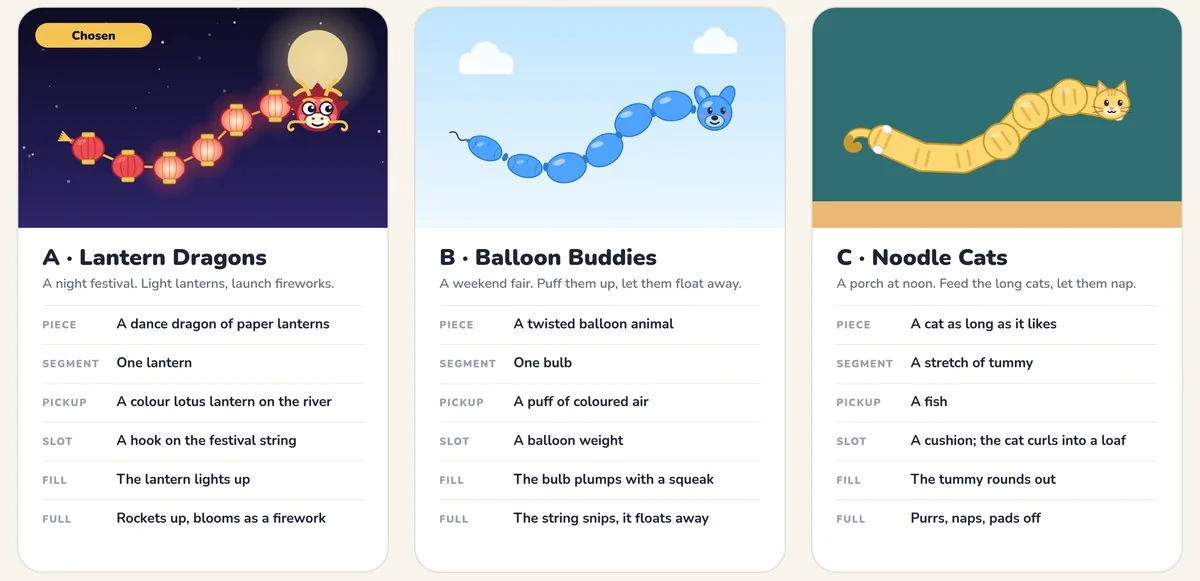
Seeing them side by side only made me more sure of my choice.
Then came the dragons, and every one of them was drawn, erased and drawn again. The Heavenly Flame Divine Dragon, the highest of the Fire line, took seven rounds before it finally felt divine. The first round wasn’t divine enough. The second tried three completely different directions. After that came round after round of small changes, until one version stayed.




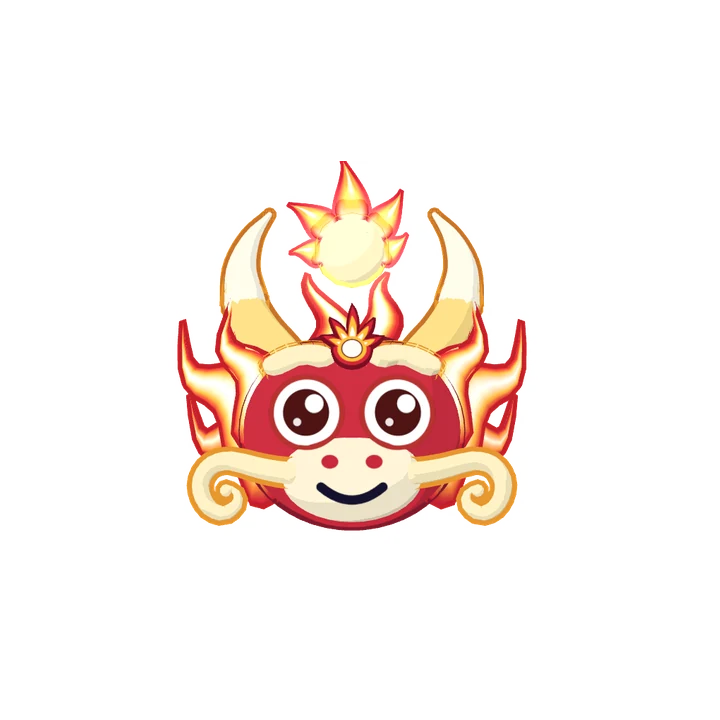
- R1 · not divine enough
- R2 · three ways tried
- R4 · closer, let the horns show
- R7 · kept ✓
Round 7 of 7 · Nuegyn
“I stopped counting the rounds. The project log didn’t: more than a hundred of them are written down.”
Chapter 5
Starting over in 3D
At one point, the game was almost finished, and fully playable with 2D dragons.
I played it for a long time and kept noticing the same thing: the dragons looked drawn, not alive. Every turn and nod of a head was a flat drawing bent into place, and each new pose meant another round of back-and-forth.
So I started again in 3D. First a single head, the Crimson Flame Dragon, as a test. Once that worked, 3D became the only way the game draws its dragons. Then came the long part: modelling them one by one. Twenty dragons across five lines, and later the Lion.
It wasn’t just modelling, either. How each dragon turns, nods, blinks, flies and swings its lanterns had to be designed, then tuned again and again until the motion felt smooth. That took a lot of time too.
And all of it had to run smoothly on a small, older iPhone. Pass after pass, I removed triangles wherever the cut wouldn’t show. The Azure Cloud Dragon went from 55,452 triangles to 17,517 up close, and from 4,790 to 1,496 on the board.
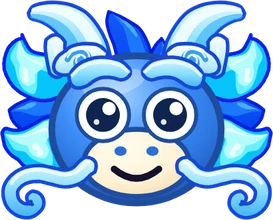
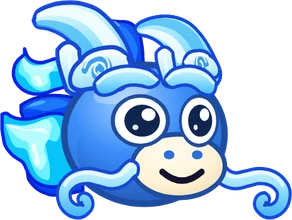
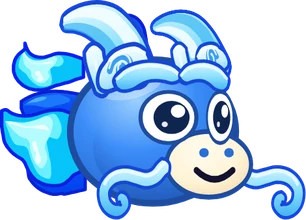 3D, turned
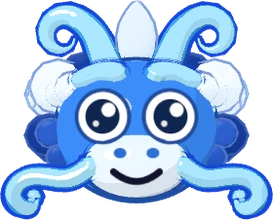
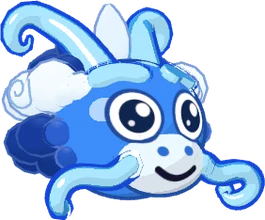
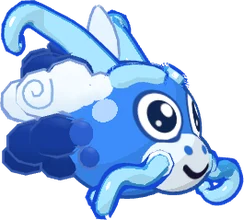
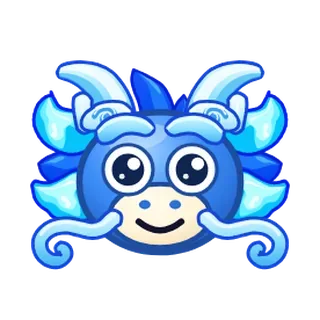
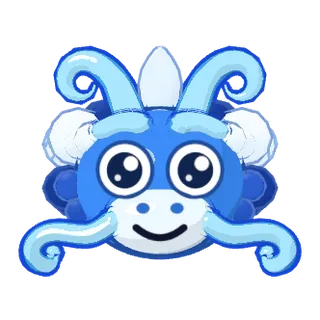
“The dragons looked drawn, not alive. So I started again in 3D, one dragon at a time.”
 Chapter 6
Familiar at first touch, its own at heart
From the very first sketches, I wanted Du Long to be easy to pick up: tap a dragon, watch it go, and you already know how to play, even the youngest players. But easy to pick up doesn’t have to mean like everything else. I wanted it to feel more and more its own the longer you play.
That starts with dragons that bend. A body winds around the corners of the plaza, and when a dragon slithers away, every lantern follows its head along the same path. Dragons coil around each other and block each other’s way, so each night is a knot to untangle, one dragon at a time. And since the hooks run out, the order is what matters: the first nights let you tap freely, but before long you are planning three dragons ahead.
The other half is how it feels. All the time spent on 3D motion was really for this: every move should be a small pleasure to watch. A dragon slithers smoothly onto its hook. The river brings the light. Lanterns glow one by one, each chime a little higher than the last. And once every lantern is lit, the dragon leaves the only way a lantern dragon could: up into the sky, bursting into a firework in its own colour. The puzzle is there to make you think; the smooth, lovely motion is there to make you smile when you solve it. A real challenge with a joyful reward: that is the feeling I was after.
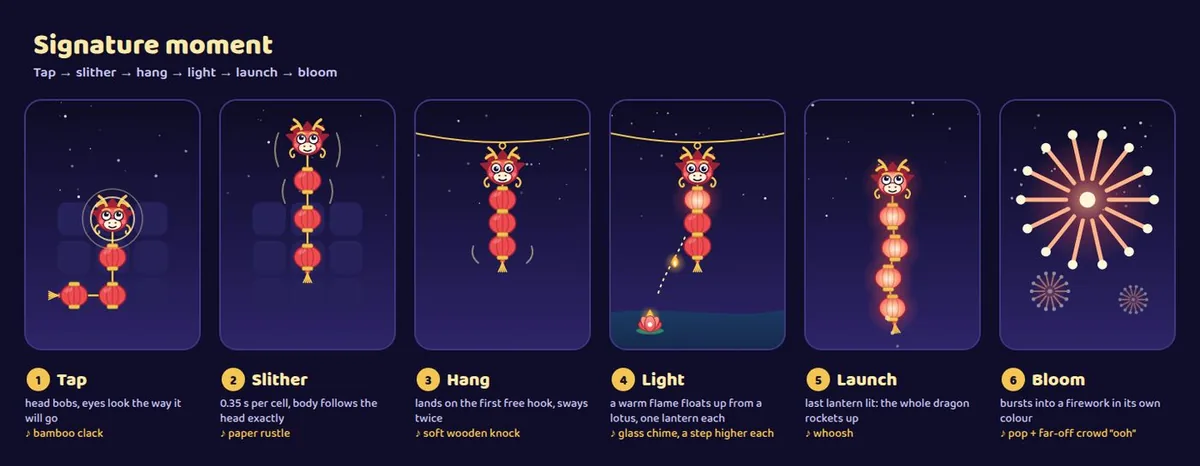
“The puzzle is there to make you think; the motion is there to make you smile.”
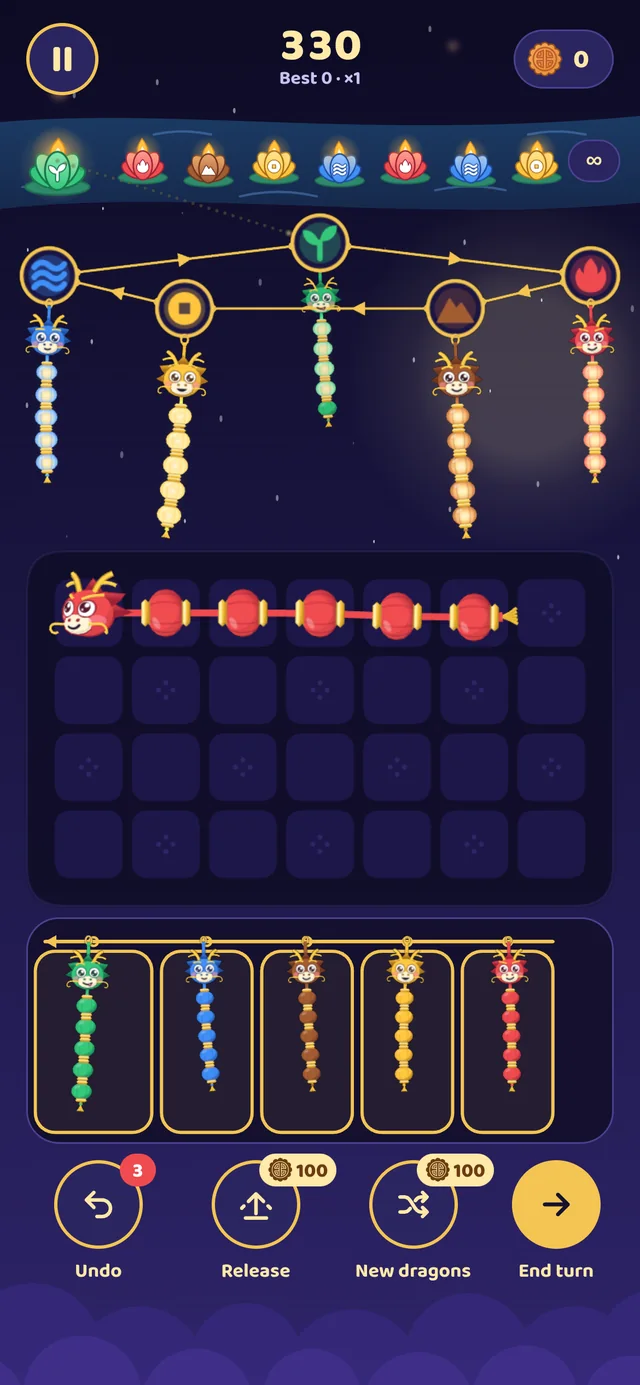
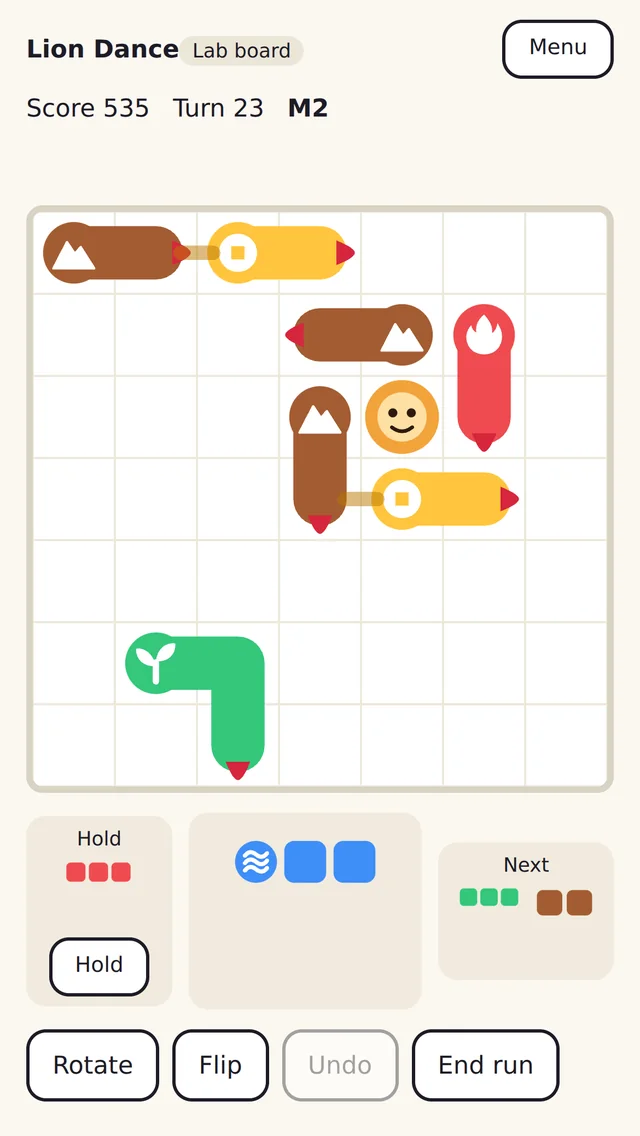
Some ideas didn’t make it. Two whole modes, Five Elements and Lion Dance, were built and played, then set aside: their gameplay wasn’t complete enough yet to bring the joy I wanted. They are resting, not gone.
 Chapter 7
The hurdles nobody sees
Some things seem easy and nobody notices them, yet they turn out to be unbelievably hard.

Finding the name
For most of its life, the game had a different name, one that stopped fitting once the lanterns became dragons. It became Du Long on 14 October 2026, just eight days before version 1.0 went to review, and every screen, notification and store page had to change with it.

A tap that feels the same on every phone
My earlier games measured finger movement in screen pixels, so on some phones the same drag needed about twice the distance. Du Long measures in millimetres instead: your finger can wander up to 4 mm and a tap is still a tap, on any screen.
Epilogue
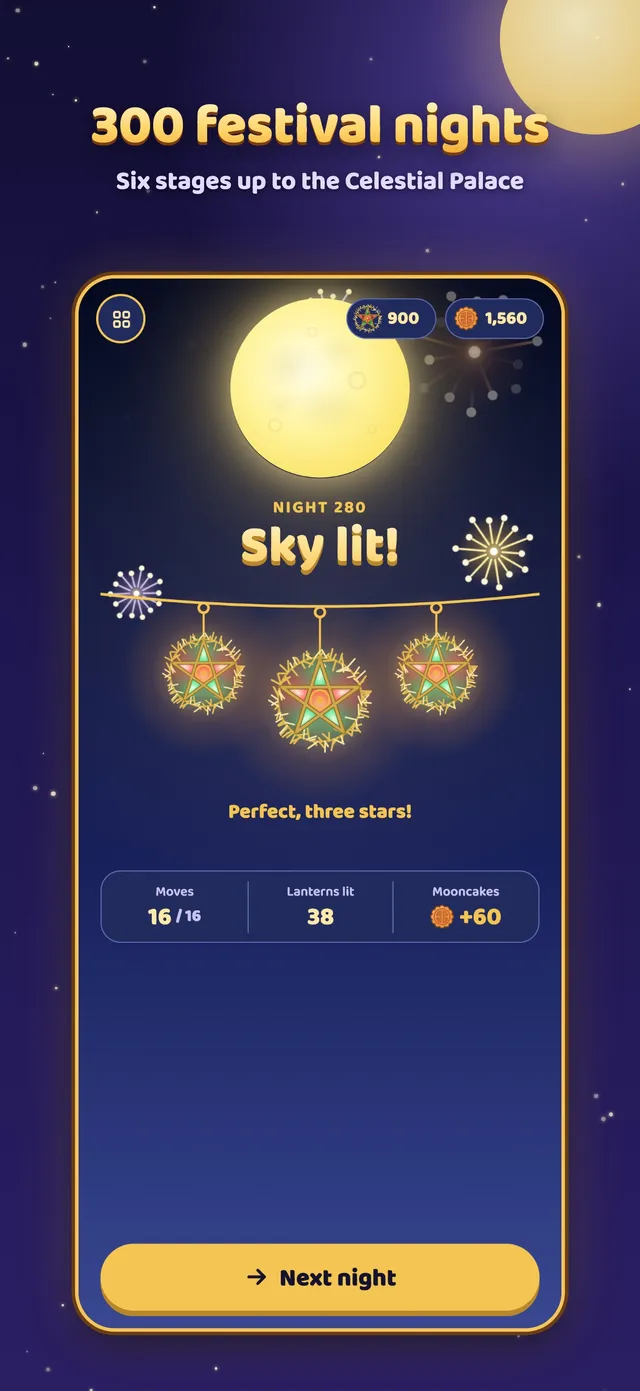
Sky lit!
The last lantern is lit. Version 1.0 went to App Store review on 22 October 2026, and soon the first players will spend their first night on the plaza. Android players will get their turn later.
And this is only the beginning: more nights, more dragons and more stories are still to come.
Thank you for reading this far. Now it’s your turn to tap the first dragon.